What Should I Do If Antibiotics
Did Not Clear Up My Bacterial Vaginosis?
Published on December 31, 2021
Updated on March 20, 2026
Written by Kathleen Morrison
Medically Reviewed by Andrea Sleeth WHNP-BC, MSCP
Key takeaways
- Bacterial vaginosis (BV) is caused by an imbalance of vaginal bacteria, not just irritation, and waiting for it to resolve on its own isn't recommended.
- Untreated BV can increase your risk of getting STIs like chlamydia and gonorrhea, and may lead to complications like pelvic inflammatory disease (PID).
- If prescription antibiotics don't work the first time, your healthcare provider may suggest a different form or dosage.
- Supporting your vaginal microbiome through good hygiene habits, avoiding douching, etc, may help manage the risk of recurrence.
Let’s jump right in and talk about recurring vaginal infections. Bacterial vaginosis is a common vaginal infection that most women get at some point in their lives. It is caused by an imbalance of natural bacteria in the vagina, and although it can affect your immune system, it usually clears up and goes away with antibiotic treatment.
Prescription BV antibiotics work successfully in most cases, but some find that antibiotics do not stop the BV from recurring. If you find that BV is a recurring problem for you, here’s what you should do next.
Wisp treatment options are available only after consultation with a licensed medical professional. You should consult with your healthcare provider before starting a new supplement or treatment regimen. Individual results may vary.
Basic information about BV and BV Antibiotics
Bacterial vaginosis is a vaginal infection that happens because of an excessive growth of bacteria in the vagina. There is typically a natural balance of bacteria, but when vaginosis occurs, it is due to a change in the types and amounts of the bacteria that are present, and this change can lead to discomfort, unusual odor, and uncomfortable discharge.
This imbalance can be triggered by sex, lifestyle changes, irritating ingredients, douching, or even antibiotics for a different infection. Because different types of bacteria can cause BV, each patient may respond differently to prescription antibiotics.
BV is not dangerous, but it is inconvenient, and it can increase your risk of getting other infections, including sexually transmitted infections (STIs) like chlamydia, gonorrhea, and HIV.
Untreated BV during pregnancy may also be linked to complications like premature birth and low birth weight.
Therefore, if BV symptoms—like that fishy smell or unusual discharge—do not clear up after the first treatment with BV antibiotics, it is important to speak to a doctor or licensed medical provider. They can help provide guidance on next steps, such as changing the treatment or the form of the prescription antibiotics used.
How long does it take for BV to go away without treatment?
Here's the thing: waiting for bacterial vaginosis to "heal on its own" isn't really the move.
Unlike a minor skin irritation that might clear up with time, BV is a microbiome imbalance, which means the bacteria in your vagina have gotten out of whack. And unfortunately, that kind of imbalance doesn't just fix itself.
When untreated bacterial vaginosis hangs around, a few things can happen:
- The bacteria can continue growing silently, even if your symptoms come and go
- Your vaginal pH remains elevated, creating an environment where bad bacteria thrive
- Your risk of BV recurrence increases the longer it's left untreated
- You may become more susceptible to sexually transmitted infections and other vaginal infections, like a yeast infection
The fishy odor and vaginal discharge associated with BV may come and go, which sometimes makes people with BV believe the infection has cleared up.
But without proper treatment, bacterial vaginosis may stick around or keep coming back.
That's why it's so important to see a healthcare provider at the first sign of BV instead of waiting it out.
If the first round of antibiotics didn’t work…
It is important to see your doctor at the first sign of bacterial vaginosis so you can determine your best method of treatment ASAP. The doctor might suggest more antibiotics if your first round isn’t successful. Another course of the same prescription antibiotic might be appropriate.
As with all medications, be sure to take the entire course, even if you feel better.
The doctor might suggest an alternative antibiotic, or antibiotics in a different form, such as a cream or a gel instead of pills or tablets.
In very persistent cases, it might be suggested that you try taking more antibiotics in heavier doses or for a longer duration, or that you try using creams and tablets at the same time.
Keeping BV from coming back
If you've dealt with BV more than once, you already know how frustrating recurrence can be.
The good news? There are some things you can do to help support your vaginal microbiome and manage the risk of BV making a comeback.
As you know, your vaginal microbiome plays a key role in keeping things balanced down there.
So, here are some habits that may help keep your vagina happy:
- Avoid douching. It disrupts the natural balance of bacteria
- Use a condom during sexual activity, especially if you have multiple sex partners
- Choose fragrance-free soaps and body washes for your intimate areas
- Wear breathable cotton underwear to keep moisture from getting trapped
- Consider adding probiotics to your routine to help support the good bacteria in your body
If you have completed at least one full round of prescription antibiotics as directed by a practitioner and still don't feel confident that the BV infection won't return, talk to a healthcare provider you feel comfortable with.
Getting BV is a common vaginal infection among women and sexually active people—it's nothing to be embarrassed about.
That said, not all treatments work the same way for everyone, and if you have an infection that keeps coming back, your provider can help you explore alternative treatment options.
Take charge of your vaginal health
BV doesn't always go away on its own. And honestly, waiting around to see if it will isn't worth the risk.
Untreated BV can increase your chances of getting STIs and may cause complications, especially for pregnant women.
The important thing is to keep the conversation going with your healthcare provider so you can find a treatment plan that works for you.
Remember, you can always get your treatment easily online through Wisp. Prescription will be sent to the pharmacy same-day or free delivery with your order.
Most prescriptions are sent to your pharmacy within 3 hours of completing your medical intake form and phone call or video chat when necessary. Pending retail pharmacy hours.
This blog post is for informational and educational purposes only and should not be taken as professional advice. Always consult with a qualified professional before making any decisions based on the information provided here.
Trusted Treatments

BV Antibiotics (Tablets or Gel)
Starting at $15
Request topical or oral prescription antibiotics to treat bacterial vaginosis.

Is it BV or Yeast Infection?
Starting at $15/month
Take our BV or yeast infection quiz!
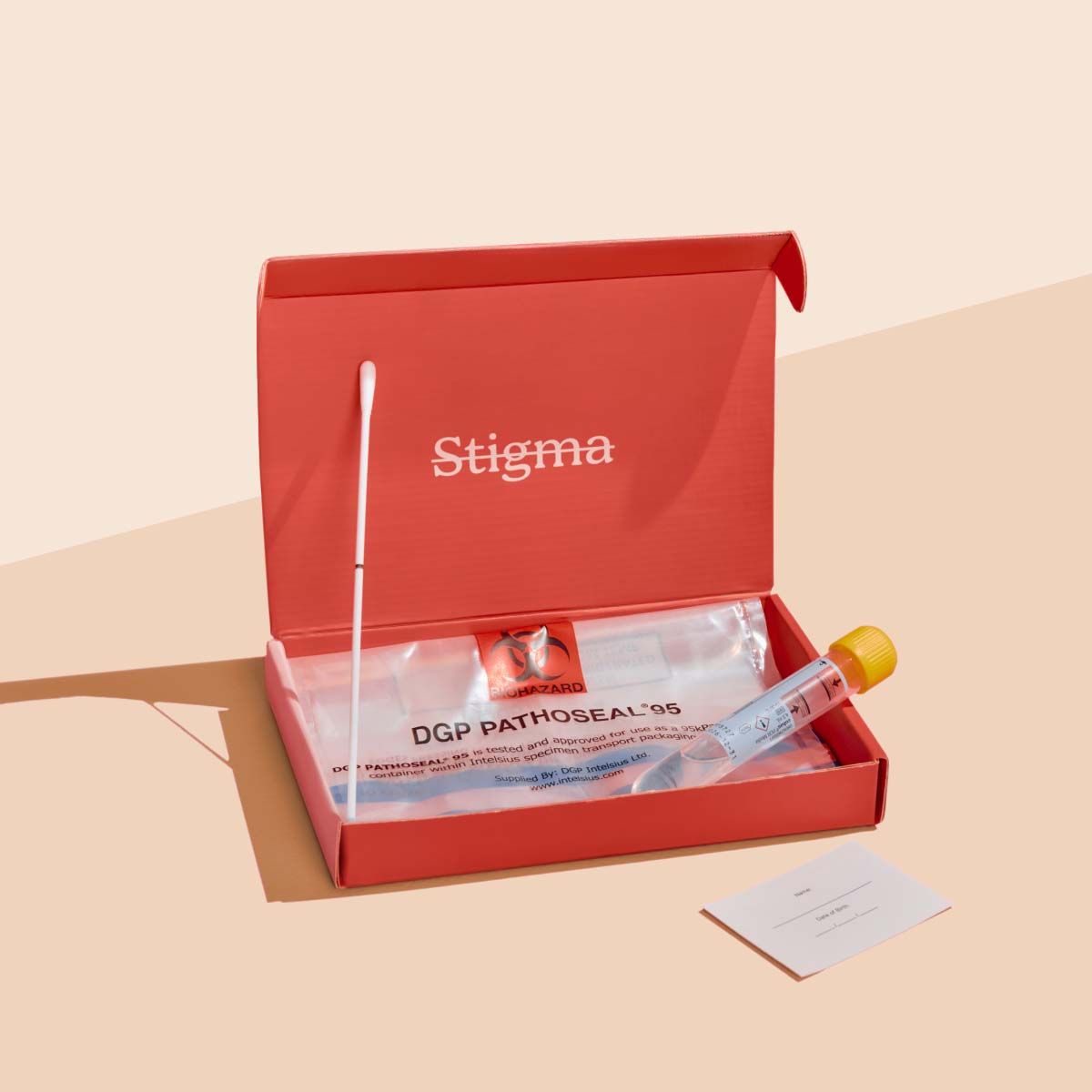
Vaginitis Test
$159
Test for the 10 most common disruptive microbes from the comfort of home with one swab.