
What Causes a Fever Blister?
Published on March 14, 2021
Updated on October 29, 2026
Written by Kate Monahan
Key takeaways
- Cold sores, also known as fever blisters, are caused by the herpes simplex virus, most often HSV-1.
- HSV-2, the type usually linked to genital herpes, can also cause cold sores.
- After the first infection, the virus can stay dormant in nerve cells and may reactivate later.
- Common cold sore triggers can include sun, stress, fatigue, illness or fever, hormonal changes, and lip injury.
- The virus can spread even when no sore is visible.
- There's no cure for cold sores, but prescription antivirals are used to treat outbreaks.
What causes a fever blister to show up right before your big date, your bestie's wedding, or literally any day you planned to smile? Rude!
Cold sores are caused by the herpes simplex virus. After your first exposure, the virus can settle into your nerves and wake back up later, which is why one tiny tingle can turn into a sore on your lip.
The good news is you're not stuck just waiting it out. Prescription antivirals for cold sores are available from a provider if medically necessary and appropriate.
Here's where these sores come from, what can wake them up, and why they love an encore.
Wisp treatment options are available only after consultation with a licensed medical professional, if medically appropriate. You should consult with your healthcare provider before starting a new supplement or treatment regimen. Individual results may vary. Must be 18 or older. For medication details and risks, see site for details.
What is a fever blister (aka a cold sore)?
Fever blisters or cold sores are the same thing, just wearing different name tags. They can show up as small fluid-filled blisters around the lips, and they can also appear around the nose, on the cheeks, and sometimes inside the mouth, like on the tongue. The infection behind them is called oral herpes.
Cold sores can follow fairly predictable stages:
- The tingle. Tingling, itching, or burning may show up a day or so before anything is visible.
- The blisters. Fluid-filled blisters can form along the border of the lips.
- The oozing. The blisters may merge and burst, which can leave shallow open sores.
- The crust. Cold sores can crust over before they heal, which may take one to two weeks.
During a first outbreak, symptoms can include fever, painful gums, sore throat, or headache.
Not sure whether that bump is a cold sore? An at-home herpes swab test lets you collect a sample from an active sore to help find out if herpes may be causing it.
These statements have not been evaluated by the Food and Drug Administration. This product is not intended to diagnose, treat, cure, or prevent any disease. Individual results may vary.
How do you get fever blisters in the first place?
Let's get to the main event. Cold sores are caused by the herpes simplex virus (HSV), and two types of herpes simplex can be involved.
HSV-1 vs. HSV-2: the types of herpes behind cold sores
Both HSV-1 and HSV-2 can cause cold sores, but each has its usual turf:
- HSV-1 (herpes simplex virus type 1). This type causes most cold sores. It can also spread to the genitals through oral sex.
- HSV-2 (herpes simplex virus type 2). This type is usually linked to genital herpes, but it can cause oral herpes and cold sores too.
Wait, how does the cold sore virus spread?
The virus can be spread by direct contact, like kissing, oral sex, or skin-to-skin contact with sores. Shared utensils, razors, and towels can also spread it.
Many children and adults carry the virus after picking it up from everyday contact, like a kiss from a relative, and plenty may not know it.
Here's the kicker: it can spread even when you don't see a sore or other symptoms (called asymptomatic shedding). So cold sores are common, and nobody deserves side-eye for having one.
When is a cold sore most contagious?
The virus is most contagious when blisters are present, especially within the first day after they form and when you have oozing blisters. Sores can stay contagious until they heal, so skip kissing, shared lip balm, and sipping from the same cup until then.
Common triggers for fever blisters
Once the virus that causes cold sores settles into your nerve cells, it may mostly keep to itself. Certain things can wake it up and trigger an outbreak.
But here’s the thing: cold sore triggers are personal, and what sets off one person's lip may not bother someone else's at all.
So think of this list as a lineup of usual suspects, not a fixed guest list:
UV exposure and environmental factors
Sunshine feels amazing, but strong sun exposure can be a common trigger for people who develop cold sores. Wind can play a role too, which is why a breezy beach day may hit your lips twice.
Stress and fatigue
Big deadline, bad sleep, a week that won't quit? Stress and fatigue can be common triggers.
When you're running on empty, the herpes virus may see its opening and pop up on your face or lips right when you're least in the mood for it.
Illness and fever
A viral infection like the common cold or flu, or a fever, can trigger a flare-up. Basically, when your body is busy fighting off an infection that causes a cold, the virus that causes cold sores may see its chance to crash the party.
Hormonal shifts
Hormonal changes, such as those around a menstrual period or during *pregnancy, can trigger cold sores for some people.
If your sores are often showing up on a monthly schedule, that pattern may be worth tracking and mentioning to a provider.
*Wisp does not provide herpes treatment during pregnancy. If you’re pregnant or think you might be, an in-person health care provider or OB-GYN is the best next step.
Lip trauma
Injury to your lips or the skin around them can wake the virus up. That can include dental work, cosmetic procedures like laser treatments, cracked or chapped lips, or biting your lip mid-sandwich.
If you have a procedure coming up and cold sores tend to show up after procedures like that, it may be worth giving your provider a heads-up.
Other cold sore triggers
Changes in your immune system can also play a role, and some people notice certain foods seem to set things off.
If you have a weakened immune system, loop in a provider early, since a herpes infection may need closer attention.
Prescription treatment options for cold sores
Prescription antivirals don't cure HSV, but they're used to treat cold sore outbreaks, and they're meant to be started at the first sign of symptoms, like that early tingle.
Options can include oral pills and a topical cream, and a provider can help figure out what fits, if medically necessary and appropriate.
Episodic vs. suppressive
There are two main ways a provider may use antivirals for cold sores:
- Episodic. You take an antiviral when an outbreak starts, ideally at the first tingle. Think of it as calling in backup only when trouble shows up.
- Suppressive. You take an antiviral daily, which a provider may discuss if cold sores keep crashing the party.
Either way, it's worth a chat with a provider, since the right fit can depend on how often outbreaks happen and your health history.
Why do cold sores keep coming back even after they heal?
If your cold sore likes to appear at the same spot again and again, you're not imagining it.
After your first infection, the virus can travel along nerve pathways and settle into the trigeminal ganglion, a nerve cluster near your ear, where it can stay dormant.
When a trigger throws off the balance between the virus and your immune system, it can reactivate and travel back to the same area. Since there's no cure for cold sores, repeat visits can be part of the deal for many people.
Getting cold sores a lot? Frequent flare-ups aren't something you just have to live with. If cold sores keep making surprise appearances, it may be worth asking a provider whether a daily approach fits your life, if medically appropriate.
Less guessing, more planning.
Habits that may help lower your odds of another outbreak
You can't evict the virus (believe us, we'd have sent the notice by now), but a few habits may help dodge triggers and keep sores from spreading:
- Give your lips some SPF. Sunscreen or a lip balm with zinc oxide before heading outside may help with sun-related flare-ups. Beach day approved!
- Keep your lips comfy. Since lip injury can be a trigger, keeping chapped or cracked lips moisturized may help you skip one of the usual suspects.
- Hands off, detective. Try not to poke, pick, or pop a sore, and wash your hands if you touch it, to help lower the chance of the virus hitching a ride elsewhere.
- Keep it to yourself. Towels, forks, lip gloss? Not a group project during an outbreak.
- Pause the kissing. Avoid contact with sores, including oral sex, until the sore heals.
- Rest like it's your job. Since stress and fatigue can be triggers, extra sleep and a little downtime may be worth prioritizing when life gets hectic.
When to seek care from an in-person provider
Uncomplicated cold sores can often be handled through an online visit, where a provider may be able to help you sort out next steps without a trip anywhere. But certain situations call for an in-person provider, so book a visit if:
- Sores spread near or into your eyes
- You have a weakened immune system
- You have severe symptoms or outbreaks that last longer than two weeks
- When in doubt, it's worth getting checked out in person.
Fever blisters don't get the final say
Cold sores come from the herpes simplex virus, and everything from sunburn to stress to a surprise cold can wake it up. Knowing your triggers and acting at the first tingle can help put you back in the driver's seat.
When one shows up, Wisp can help. Connect with a provider online for prescription antivirals for cold sores, if medically necessary and appropriate, and ask whether a long-term option may fit if outbreaks keep coming back.
Cold sores may be persistent, but so are you. With a provider in your corner and a plan for the next tingle, you can get back to the things your mouth was made for, like talking, laughing, and the occasional smooch.
Herpes Treatments

Valacyclovir (Valtrex) or Acyclovir | HSV-1
Starting at $10/ month
Prescription antiviral pills used to prevent & treat outbreaks.

Acyclovir Cream for Cold Sores | HSV-1
Starting at $30
Experience relief from cold sore symptoms with our prescription antiviral cream that not only alleviates discomfort but also accelerates the healing process.
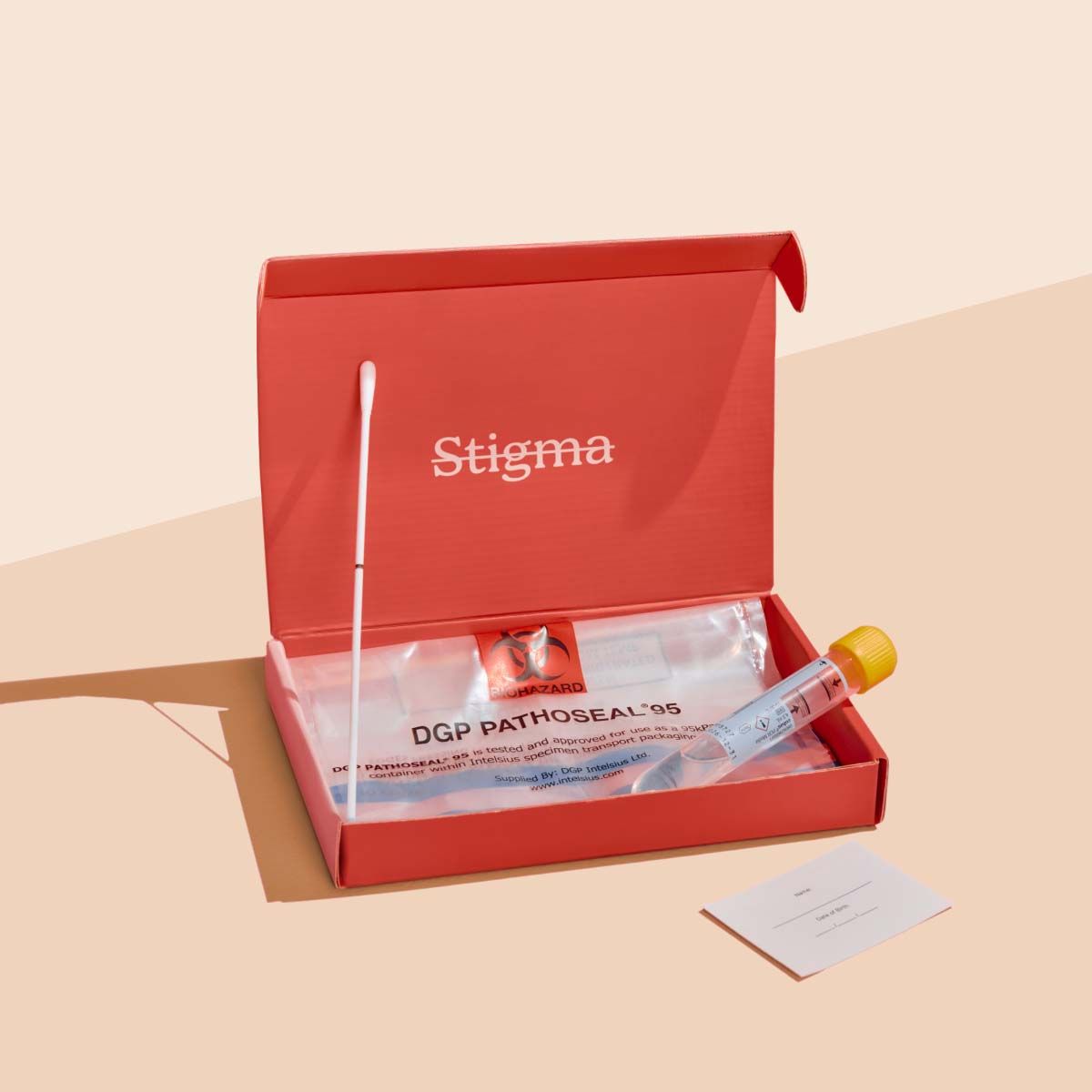
Herpes (HSV) Test
$169
At-home HSV-1 and HSV-2 testing, made simple—swab, ship, and treat. Consult and treatment included if necessary.


