The Most Common STDs and
How To Treat Them
Published on December 15, 2023
Updated on December 4, 2025
Written by Kathleen Morrison
Medically Reviewed by Andrea Sleeth WHNP-BC, MSCP
Key takeaways:
- STDs are common, and many people don’t notice symptoms, making regular testing essential.
- HPV, chlamydia, gonorrhea, syphilis, and herpes each have unique signs—some subtle, some more obvious.
- Early detection can help make treatment easier, avoid complications, and protect your sexual partners.
- Bacterial STDs like chlamydia, gonorrhea, and syphilis are curable with antibiotics; viral infections like herpes are manageable with antiviral care.
- Safe sex practices, vaccination (like HPV), and timely testing empower you to take charge of your sexual health.
Okay, real talk—about one in five adults in the US has a sexually transmitted disease (STD). Yep, way more common than most people think, and it can happen to literally anyone.
Chlamydia, gonorrhea, and HPV are some of the most common, with millions of new cases every year. Knowing a little about them actually puts you in the driver’s seat when it comes to your sexual health.
And testing? Easier than you think, too. You can swing by your doctor, a local clinic, or a testing center for a quick, confidential check. Lots of places even give same-day results, so no need to stress or wait around. And if leaving the house isn’t your vibe (we get it), online and at-home STI testing kits are a super convenient option—you can do everything from your couch and get results privately.
1. Human Papillomavirus (HPV)
HPV is hands-down the most common sexually transmitted infection in the world. Almost everyone who’s sexually active will get it at some point—about 80–90% of people will encounter HPV in their lifetime.
Unlike other STDs that spread through fluids, HPV spreads through skin-to-skin contact, which is why it’s so easy to catch, even if you use condoms. Most of the time, your body clears it on its own within a couple of years without you even noticing.
Symptoms and risks
Sometimes HPV shows up as genital warts. Here’s what to look out for:
- Small bumps in the genital area that can be raised or flat
- Single bumps or clusters
- Some people experience itching or mild discomfort
- Many people don’t notice any symptoms at all
Certain high-risk strains of HPV can lead to cancers over time, including:
- Cervical cancer (the most common HPV-related cancer)
- Anal, penile, vaginal, vulvar, and throat cancers
The progression from HPV infection to cancer usually takes years or decades, which is why regular screening is so helpful.
How to protect yourself from HPV
The HPV vaccine is super effective and covers up to nine HPV types, including those behind:
- 90% of genital warts
- 70% of cervical cancers
Other key points about the vaccine:
- Works best before any sexual activity, usually recommended at ages 11–12, but can be given from age 9
- Adults up to 45 can still get vaccinated
- Requires two or three doses depending on age
- Studies show protection lasts at least 10 years with no sign of wearing off
- Countries with high vaccination rates see big drops in HPV infections, genital warts, and precancerous cervical changes
Getting vaccinated and keeping up with regular HPV screenings is a simple way to stay in charge of your sexual health and feel confident about your body.
2. Chlamydia
Chlamydia is one of the most reported bacterial STDs in the US, with over 1.6 million cases documented in 2020. Even though 15–24-year-olds make up just 13% of the population, they account for about half of all new STIs each year, including the highest rates of chlamydia and gonorrhea.
And that’s just the tip of the iceberg—lots of infections never get reported because people don’t get tested or treated. Chlamydia can be sneaky since most people don’t notice any symptoms at all.
Signs and symptoms
If symptoms do show up, here’s what to keep an eye on:
For women:
- Vaginal discharge that looks or smells different from usual
- Burning or discomfort when peeing
- Spotting between periods or after sex
For men:
- Discharge from the penis that’s white, cloudy, or watery
- Burning or stinging when peeing
- Occasional swelling or pain in the testicles (less common)
Symptoms can pop up anywhere from a few days to several weeks after exposure, which can make it tricky to know when you got it.
Risk of untreated chlamydia infections
Chlamydia isn’t something to ignore. Untreated infections can cause serious reproductive health issues:
- Pelvic inflammatory disease (PID) in women, which can damage the fallopian tubes, uterus, and nearby tissues, leading to chronic pelvic pain
- Ectopic pregnancy risk rises, which is life-threatening if a fertilized egg implants outside the uterus
- Infertility in both men and women—women might face blocked fallopian tubes, while men can develop epididymitis, inflammation in the tube that carries sperm
- Transmission to babies during childbirth, which can cause eye infections or pneumonia
The good news? Getting tested and treated is simple. A quick Symptoms Quiz followed by an at-home test kit for chlamydia with seamless follow-up care make things easy peasy. Catching it early means you can handle it quickly and confidently, without the stress.
Treatment
The good news? Chlamydia is easily treated with prescription chlamydia antibiotics. The most common options are a single dose of azithromycin or a week-long course of doxycycline, depending on your situation. Your healthcare provider will guide you on the right medication and dosage, and it’s important to complete the full course even if symptoms disappear quickly.
Partners should also be tested and treated to avoid passing the infection back and forth. After finishing treatment, a follow-up test may be recommended to make sure the infection is completely cleared. With timely testing and proper antibiotic treatment, chlamydia is fully curable, and you can get back to feeling confident and healthy.
Wisp treatment options are available only after consultation with a licensed medical professional. You should consult with your healthcare provider before starting a new supplement or treatment regimen. Individual results may vary.
3. Gonorrhea
Gonorrhea is also on the rise in the US, and some strains have become antibiotic-resistant, which makes treatment trickier. Young adults between 15 and 24 account for a large majority of new infections, and rates are climbing fastest among men who have sex with men.
A lot of people don’t show many (or any) symptoms, so knowing what to look out for is key.
Signs and symptoms
If symptoms do show up, they can look a bit different depending on your body:
For women:
- Vaginal discharge that’s yellow or green, different from your usual
- Burning or pain when peeing
- Spotting between periods
- Lower abdominal or pelvic pain if the infection spreads
For men:
- Penile discharge that’s white, yellow, or green
- Burning during urination
- Painful or swollen testicles for some
For anyone with possible rectal exposure:
- Anal discharge, itching, or soreness
- Bleeding or pain during bowel movements
Symptoms usually show up within a few days to two weeks, but some people never notice anything.
Testing and treatment
Testing for gonorrhea is quick and straightforward. You’ve got options:
- Urine tests: simple and non-invasive
- Swab tests: from the urethra, cervix, throat, or rectum
- Rapid tests: results in hours instead of days
The gold standard is the NAAT test, which can spot even tiny amounts of bacteria, making it perfect if you don’t have symptoms. Culture tests are still used to check for antibiotic resistance, and dual testing for chlamydia and gonorrhea is common since the two often come together.
Getting tested and treated with a prescription gonorrhea treatment is easy, fast, and discreet, so you can stay on top of your sexual health without stress.
4. Syphilis
Syphilis is another (super common) infection caused by bacteria that can enter your body through tiny breaks in the skin or mucous membranes—usually during sex. It can show up in a few different ways, which is why it’s sometimes called “the great imitator.” The good news? It’s easy to treat once you know you have it.
Signs and symptoms
Syphilis shows up in stages, and the signs can look pretty different depending on where you are in the infection:
Primary stage:
- A small, painless sore (called a chancre) appears where the bacteria entered
- The sore usually heals on its own within a few weeks
Secondary stage:
- Skin rashes, sometimes on your hands or feet
- Sores in the mouth, genitals, or throat
- Flu-like feelings—think mild fever, swollen lymph nodes, sore throat
Latent stage:
- No visible symptoms, but the bacteria is still in your body
Left untreated, syphilis can eventually affect your heart, brain, and other organs—but catching it early makes all the difference.
Testing and treatment
Testing is simple—a quick syphilis blood test usually does the trick. Early-stage syphilis is easily treated with antibiotics, so getting tested as soon as you notice symptoms (or after possible exposure) is the way to go. If your test says you do have syphilis, you will (unfortunately) need to pop in to visit a doctor IRL. It’s just the best option for your health.
5. Herpes
Herpes is a viral infection caused by either HSV-1 or HSV-2. HSV-1 usually shows up around the mouth, while HSV-2 typically affects the genital area—but both types can appear in either location.
Once you get herpes, the virus stays in your body, which means outbreaks can come and go over time. The good news is it’s manageable, and you can take charge of your sexual health with the right care.
Signs and symptoms
When it comes to the herpes simplex virus, symptoms can vary a lot, and some people never notice them at all. When symptoms do show up, they might include:
- Small, painful blisters or sores on the mouth, genitals, or nearby areas
- Tingling, itching, or burning before a sore appears
- Flu-like symptoms during the first outbreak, such as fever, body aches, or swollen lymph nodes
Outbreaks usually last a few days to a couple of weeks and may become less frequent and milder over time.
Getting tested
Testing is the first step to knowing your status and managing the virus. You can get tested with a discreet at-home herpes test, which makes it easy to check for both HSV-1 and HSV-2 without leaving your house. Early detection helps you understand your risk and make informed decisions for yourself and your partners.
Treatment options
While there’s no cure for herpes, prescription antiviral medications can help manage outbreaks, speed up healing, and reduce the chance of passing the virus to partners. Common antivirals work for both HSV-1 and HSV-2 and can be taken during outbreaks or as a daily suppressive therapy, depending on your needs. Working with a healthcare provider ensures you get the right medication and dosage for your situation.
With the right testing and treatment plan, herpes is completely manageable—you can still enjoy your sex life and feel confident about your sexual health.
Precautionary care for STDs
DoxyPEP is a prescription antibiotic regimen that can be taken after an unprotected sexual encounter to help manage your risk of certain bacterial STDs, including chlamydia, gonorrhea, and syphilis. Think of it a bit like emergency contraception for STDs—if taken within about 72 hours after sex, it’s designed to help stop infections from taking hold.
It’s important to note that DoxyPEP is specifically for bacterial STDs, so it won’t affect viral infections like herpes or HIV. It’s also not a replacement for regular testing, safer sex practices, or ongoing sexual health care.
If you’re considering DoxyPEP, a healthcare provider can guide you on the correct dosage and timing, and help you understand when it’s appropriate to use. Taking action quickly after a possible exposure and staying on top of regular testing gives you the best chance of staying informed and confident about your sexual health.
Sexual health, simplified
Knowing the most common STDs puts you in the driver’s seat of your sexual health. From HPV to chlamydia and gonorrhea, these infections are surprisingly common—but early testing and treatment make them way less scary than they might seem.
Taking charge means knowing your status, talking openly with your partners, and getting care when you need it. You’ve got options: traditional clinics, at-home test kits, and online consultations with prescriptions sent straight to your pharmacy. Medications like antivirals, antibiotics, and DoxyPEP give you even more ways to manage your sexual health confidently.
Don’t let STDs stress you out, treat them like any other health issue. With fast, discreet care for chlamydia, gonorrhea, herpes, and more, getting tested and treated has never been easier.
Ready to take control? Check your status, get tested, and handle your sexual health confidently with Wisp.
This blog post is for informational and educational purposes only and should not be taken as professional advice. Always consult with a qualified professional before making any decisions based on the information provided here.
Trusted Treatments
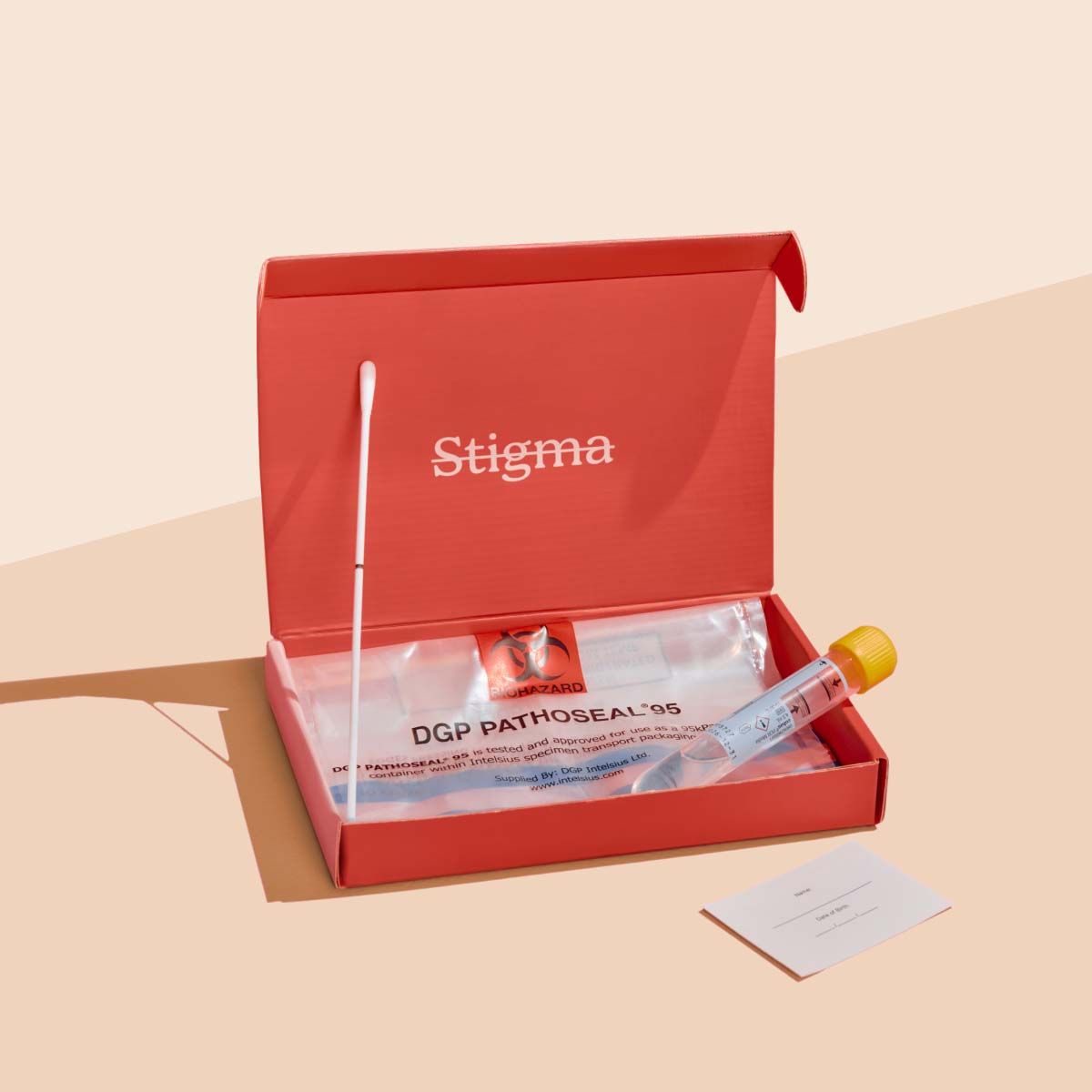
HPV Test
$105
Easily check your HPV status for the highest risk HPV strains (16 and 18) right from your living room with this swab test.
Herpes (HSV) Test
$169
At-home HSV-1 and HSV-2 testing, made simple—swab, ship, and treat. Consult and treatment included if necessary.
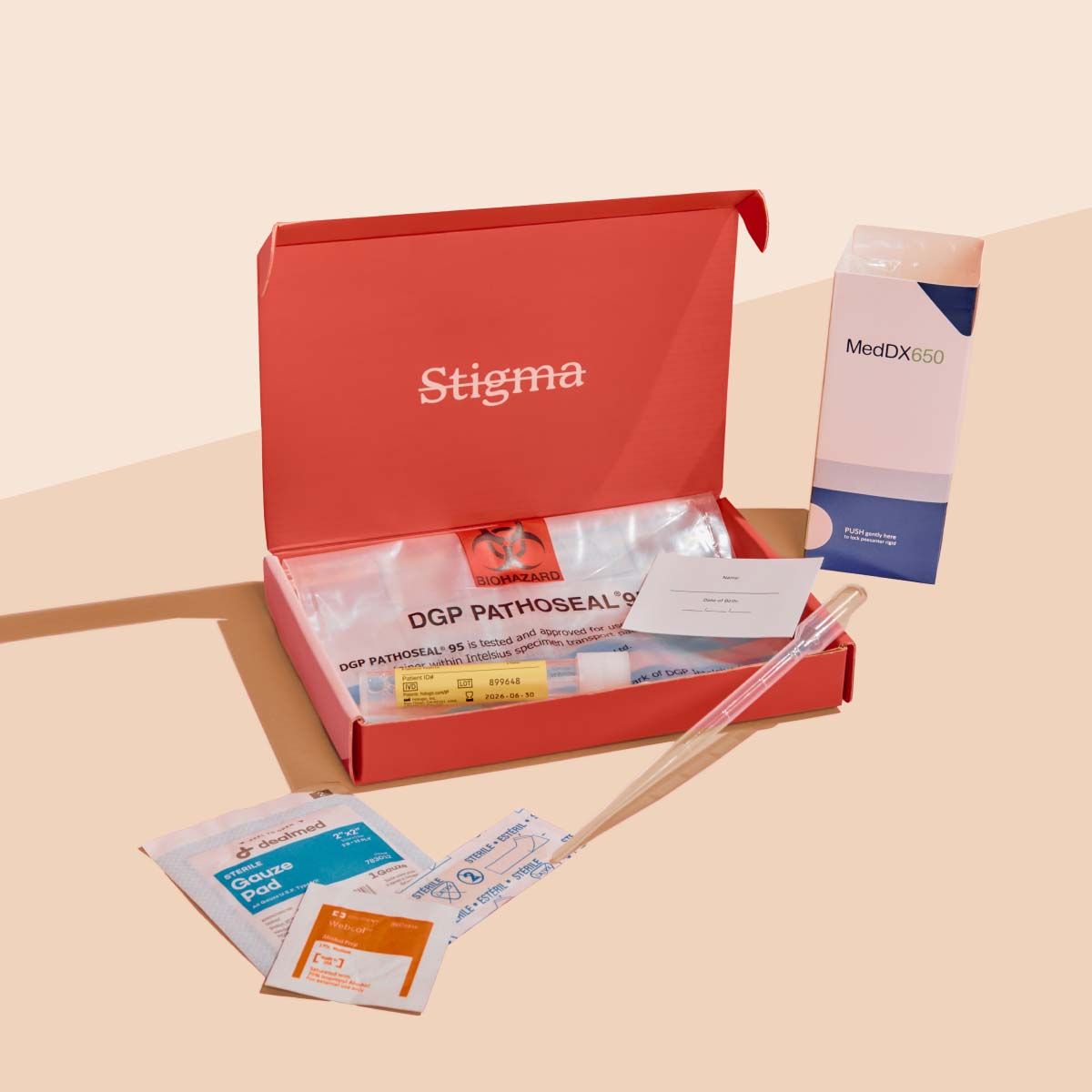
5-Panel STI Test
$179
Take charge of your sexual health from home with this expanded at-home, urine and blood test kit. Consult and treatment included if necessary.
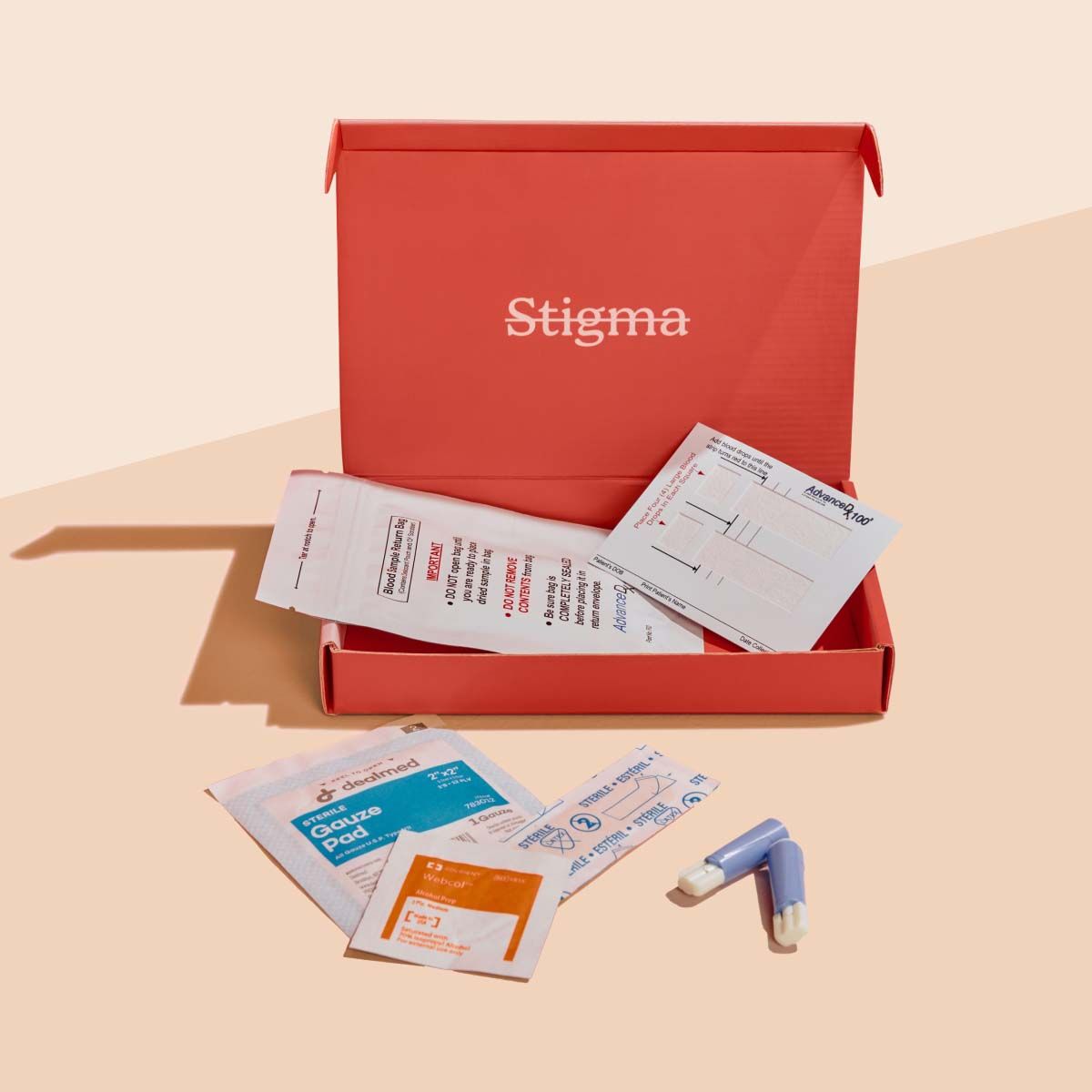
Syphilis Test
$79
Anyone who is sexually active can get Syphilis. Stay on top of your sexual health and get screened regularly with an at-home blood test.
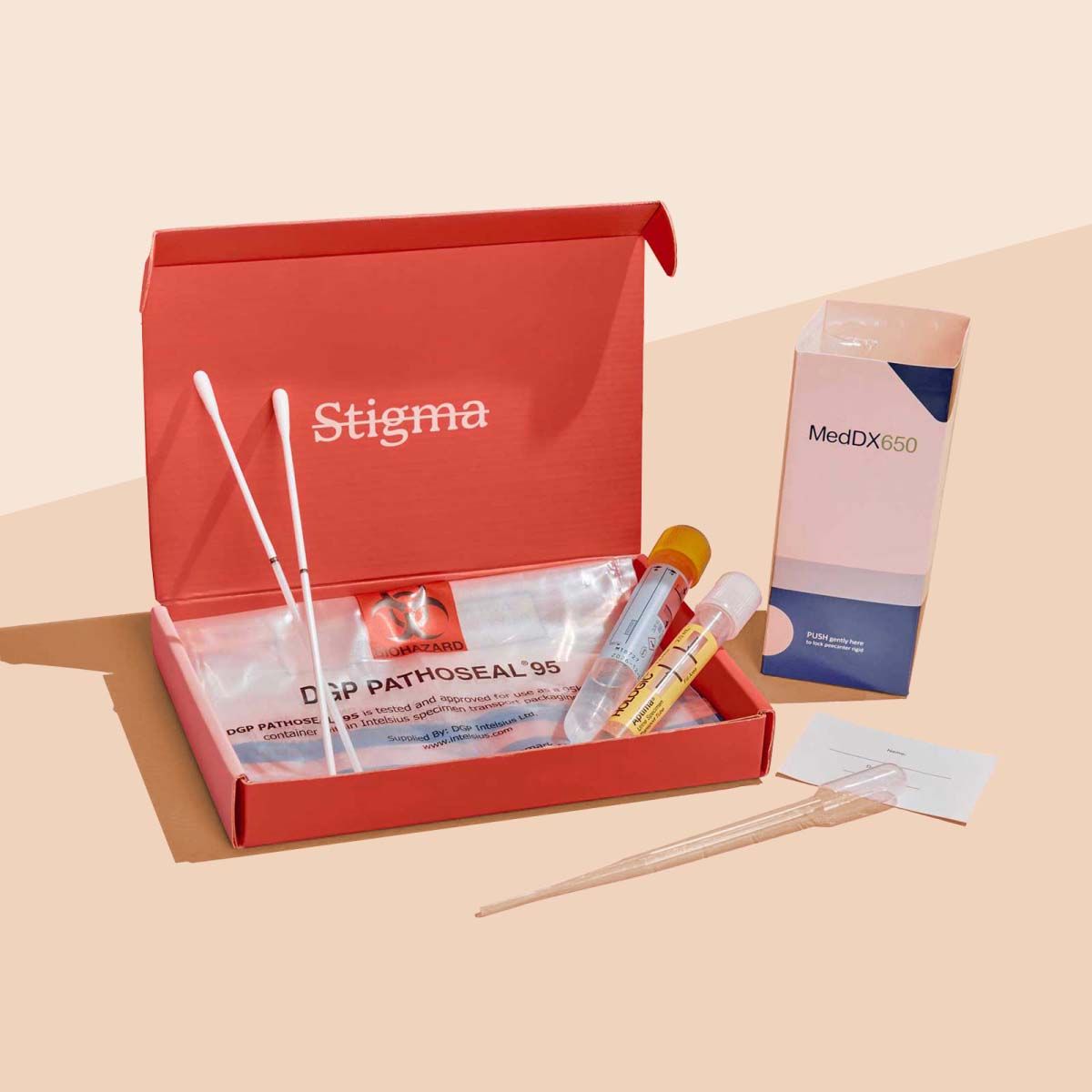
3-Site STI Test
$149
Screen for the two most common STIs in the throat, genitals, and anus. Consult and treatment included if necessary.
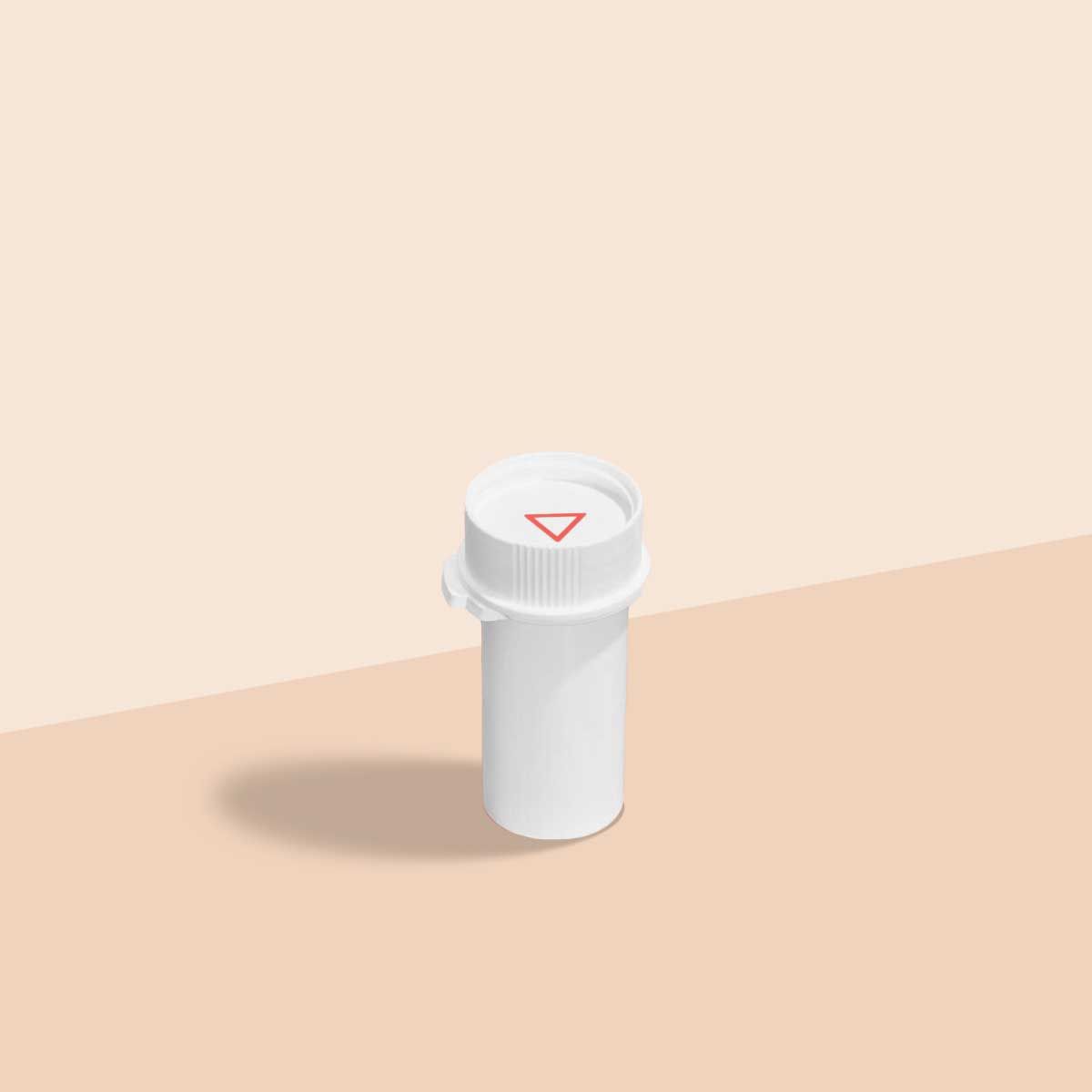


DoxyPEP
Starting at $22
A prescription antibiotic that can help reduce the risk of STDs.